






























Getting Rid of Facial Acne (Acne Treatment & Prevention)
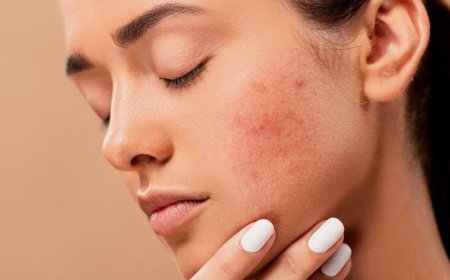
Getting rid of facial acne is a process that requires time and consistent care. Acne can have various causes: hormonal changes, poor diet, incorrect skincare, stress, and more.

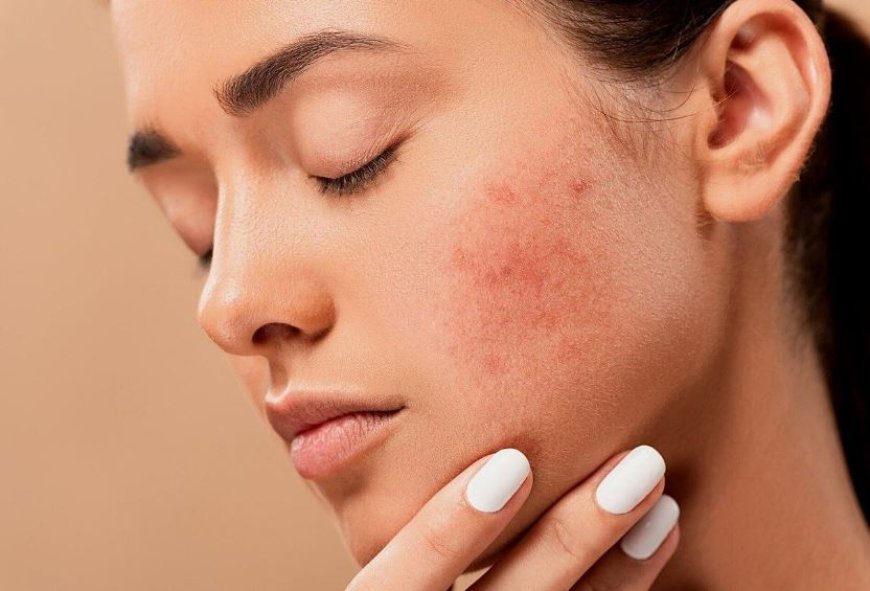
Getting rid of facial acne is a process that requires time and consistent care. Acne can have various causes: hormonal changes, poor diet, incorrect skincare, stress, and more.
1. Proper Skincare Routine
Morning and evening:
- Cleanse your face with a gentle, sulfate-free gel.
Examples: CeraVe, La Roche-Posay, Bioderma, Simple. - Use toner or moisturizer suitable for acne-prone, oil-free skin.
- Apply daily SPF (SPF 30+).
Sun exposure can worsen inflammation and leave marks.
2. Products with Active Ingredients
Dermatologists often recommend:
- Salicylic acid: unclogs pores.
- Benzoyl peroxide: kills bacteria.
- Niacinamide: reduces redness, anti-inflammatory.
- Azelaic acid: evens skin tone, reduces acne.
- Retinoids (adapalene, retinol): accelerate skin renewal.
Apply retinoids only at night and always use SPF during the day.
3. Pay Attention to Diet
Reduce:
- Sugary foods, white flour, dairy (for some people), fast food.
Increase: - Water (1.5–2 L/day), vegetables, fish, nuts, whole grains.
- Vitamin D, zinc, and omega-3 supplements may help (consult a doctor).
4. Monitor Internal Factors
- Stress and sleep: stress hormones increase oil gland activity.
- Hormonal check-up: if acne appears on the jawline, chin, or around periods, consult an endocrinologist.
- Digestive health: internal organ issues can sometimes affect skin.
5. Common Mistakes to Avoid
- Squeezing pimples — spreads infection and leaves scars.
- Using too many products at once — can irritate skin.
- Constantly touching the face — introduces bacteria.
- Not regularly cleaning pillowcases and phone screens.
6. When to See a Dermatologist
- If acne is severe, painful, or deep.
- If scars or dark marks remain.
- If home care does not help after 2–3 months.