




























AI: An Inseparable Part of Our Lives and Its Benefits
In recent years, Artificial Intelligence (AI) has become an integral part of our daily lives, revolutionizing various industries and transforming how we live, work, and communicate.

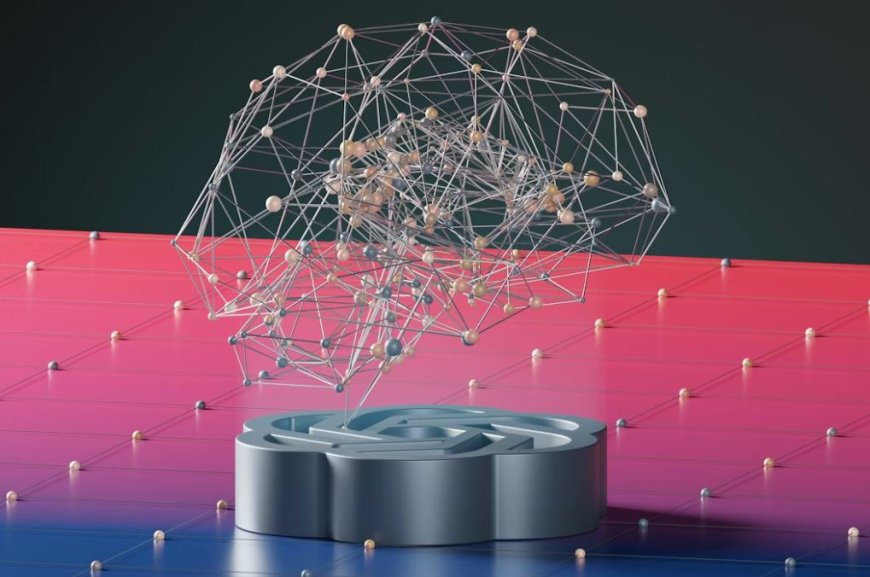
In recent years, Artificial Intelligence (AI) has become an integral part of our daily lives, revolutionizing various industries and transforming how we live, work, and communicate. Once considered a concept confined to science fiction, AI is now deeply embedded in the fabric of modern society, offering both convenience and innovation. From virtual assistants like Siri and Alexa to self-driving cars and personalized recommendations, AI is reshaping the world around us. This article explores the profound impact of AI on our lives and highlights its numerous benefits.
1. Enhancing Productivity and Efficiency
One of the most significant benefits of AI is its ability to enhance productivity and efficiency across various sectors. AI-powered tools can automate repetitive and mundane tasks, allowing individuals and businesses to focus on more complex and creative endeavors. For example, in the business world, AI-driven systems can streamline administrative tasks, customer service operations, and data analysis, reducing the time and effort needed for manual processes. As a result, employees can dedicate more time to strategic decision-making and innovation.
2. Improving Healthcare
AI's influence on healthcare has been revolutionary, particularly in areas like diagnostics, drug development, and patient care. AI algorithms can analyze vast amounts of medical data, identifying patterns and making predictions that would be impossible for humans to detect. In medical imaging, AI systems can assist doctors in diagnosing conditions such as cancer and heart disease with greater accuracy and speed. Furthermore, AI-powered robots and virtual assistants help in patient care, providing support in monitoring health and administering medications. AI also holds the potential to accelerate the development of life-saving drugs, making healthcare more accessible and efficient.
3. Personalization and Customer Experience
AI is transforming the way businesses interact with their customers. Personalized experiences have become the norm, thanks to AI's ability to analyze vast amounts of consumer data and predict individual preferences. Whether it's personalized shopping recommendations on e-commerce websites, tailored content suggestions on streaming platforms like Netflix, or AI-driven customer support chatbots, AI enhances the overall customer experience. By understanding consumer behavior, AI allows companies to provide relevant content and services that meet their customers' specific needs, leading to higher satisfaction and loyalty.
4. Smart Transportation
AI is revolutionizing transportation, particularly through autonomous vehicles. Self-driving cars, powered by AI, promise to reduce traffic accidents, improve fuel efficiency, and provide more accessible transportation options for individuals with disabilities or those unable to drive. Additionally, AI algorithms are used in traffic management systems to optimize traffic flow and reduce congestion, leading to smoother commutes and reduced environmental impact. AI-driven logistics systems are also improving supply chains, enabling faster and more efficient delivery of goods across the globe.
5. Advancing Education
AI is also playing a significant role in transforming education by providing personalized learning experiences. AI-powered educational tools can adapt to individual students' learning styles and needs, offering tailored lessons, exercises, and feedback. Virtual tutors, powered by AI, can assist students with homework and provide additional explanations for challenging topics. Furthermore, AI can help educators by analyzing students' progress, identifying areas where they struggle, and offering insights into how to improve teaching methods.
6. Promoting Sustainability
AI is increasingly being used to address some of the world's most pressing environmental challenges. AI systems can help optimize energy consumption in industries and homes, reducing carbon footprints and promoting sustainable practices. For instance, AI can analyze energy usage patterns and suggest ways to improve efficiency, such as adjusting heating and cooling systems in buildings. AI also plays a role in monitoring and protecting ecosystems, from tracking wildlife populations to detecting illegal deforestation activities. In agriculture, AI-powered solutions help farmers optimize crop yields while minimizing the use of pesticides and fertilizers.
7. Enhancing Security
AI is increasingly being used to bolster security in various domains. In cybersecurity, AI algorithms can detect and respond to threats in real-time, identifying unusual patterns of behavior and preventing potential attacks. AI-powered surveillance systems can help law enforcement agencies monitor public spaces more effectively, enhancing safety and enabling quick responses to incidents. Additionally, AI is used to predict and prevent crimes by analyzing large datasets, improving public safety.
8. Economic Growth and Job Creation
While some fear that AI may replace human workers, it is also a catalyst for economic growth and job creation. AI is expected to drive innovation in various industries, opening up new markets and opportunities for employment. From developing new AI technologies to managing AI systems, there will be a growing demand for skilled professionals in the AI field. Furthermore, AI can augment human labor, making workers more productive and enabling them to focus on higher-value tasks.
Conclusion
Artificial Intelligence is undoubtedly one of the most transformative technologies of our time. Its influence is pervasive, enhancing our productivity, revolutionizing industries, improving healthcare, and providing innovative solutions to global challenges. As AI continues to evolve, its benefits will become even more pronounced, making it an indispensable part of our everyday lives. However, it is crucial that we continue to develop and implement AI responsibly, ensuring that its potential is harnessed for the greater good of humanity. By doing so, we can create a future where AI empowers individuals and communities, contributing to a more efficient, sustainable, and prosperous world.